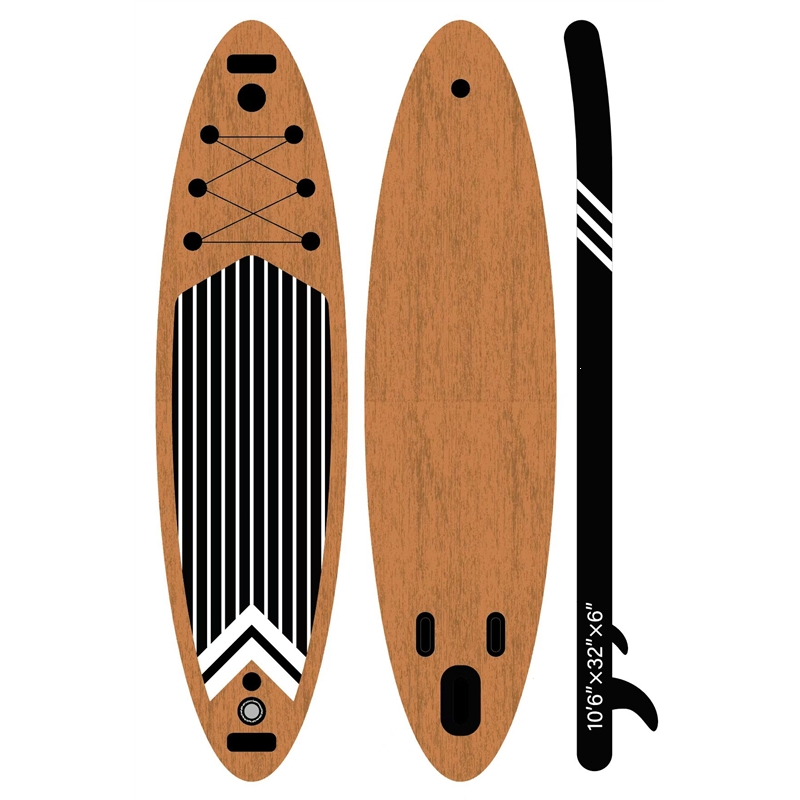
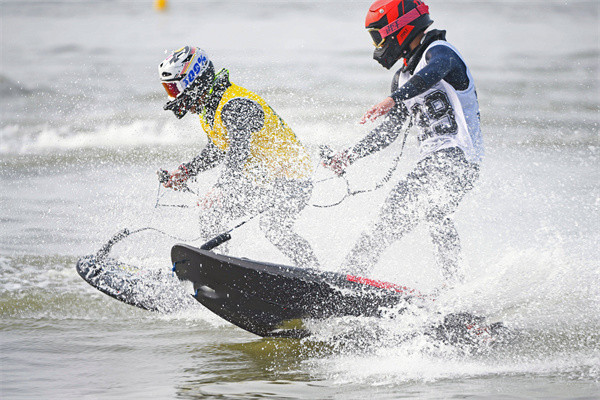
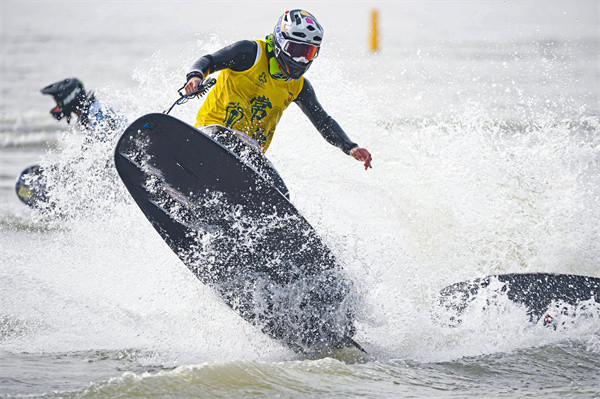
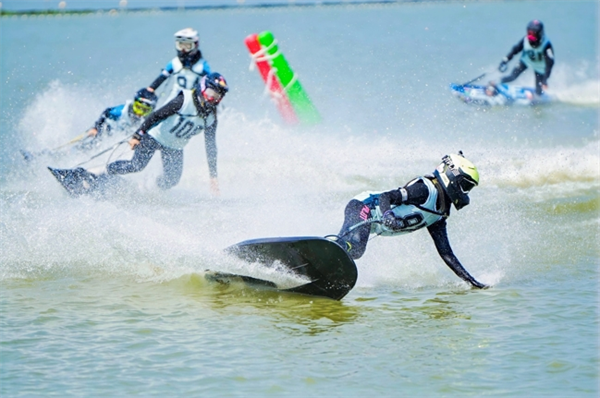
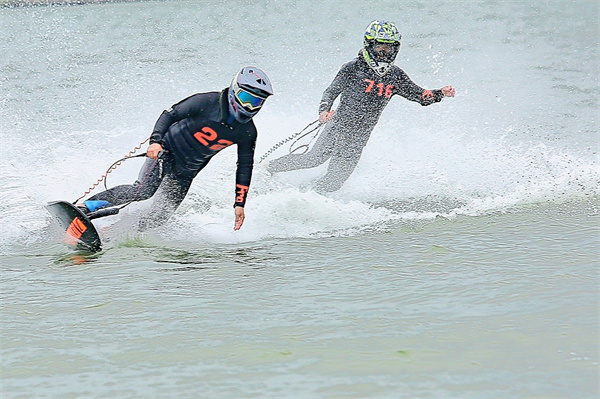
A surfboard is a narrow, buoyant plank designed specifically for the exhilarating sport of surfing, serving as the essential connection between surfers and the ocean waves. With a history dating back over a thousand years, surfboards have evolved from simple wooden planks to sophisticated, high-performance pieces of equipment, tailored to different skill levels, wave conditions, and surfing styles. More than just a tool, the surfboard is a symbol of beach culture, adventure, and the timeless bond between humans and the sea.
A Brief History of Surfboards
The origins of surfboards can be traced to ancient Polynesian culture, particularly in Hawaii, where they were known as papa heʻe nalu in the Hawaiian language. These early surfboards were hand-carved from local woods such as koa and wiliwili, with some reaching lengths of over 4.6 meters (15 feet) and weighing more than 70 kilograms—far heavier and bulkier than modern boards. In ancient Hawaiian society, surfing was not just a sport but a central part of spiritual and community life, with different board types reserved for royalty and commoners alike.
Major innovations began in the 20th century: the introduction of balsa wood in the 1930s reduced weight, while the 1950s saw the shift to polyurethane (PU) foam cores, revolutionizing portability and maneuverability. The addition of fins (skegs) in the mid-20th century improved directional stability, and later advancements brought epoxy resins, carbon fiber reinforcements, and eco-friendly materials, shaping the modern surfboard as we know it today.
Key Types of Surfboards
Surfboards come in a variety of shapes and sizes, each designed for specific wave conditions and skill levels. The most common types include:
1. Longboards
Typically ranging from 8 to 12 feet in length, longboards are the oldest and most traditional surfboard type. They feature a wide, stable design with ample volume, making them ideal for beginners—their buoyancy makes paddling easier and wave-catching more accessible. Experienced longboarders also appreciate them for classic maneuvers like “nose riding” (walking to the front of the board) and smooth, fluid turns. Variations include classic longboards, modern longboards, and mini tankers.
2. Shortboards
Shortboards are the go-to for advanced surfers, measuring between 5 and 7 feet long with a sleek, narrow design and a pronounced curve (rocker) from nose to tail. Their lightweight and maneuverable nature allows for high-speed turns, aerial tricks, and riding the steep, critical sections of waves. Common variations include hybrids (blending shortboard and fish features) and guns (designed for large, powerful waves).
3. Funboards
A hybrid between longboards and shortboards, funboards range from 6 to 8 feet long, offering a perfect balance of stability and maneuverability. They are ideal for intermediate surfers transitioning from longboards to shortboards, as well as beginners who want more control than a longboard but more stability than a shortboard. Their versatile design works well in a variety of wave conditions, making them a popular choice for casual surfers.
4. Fish Boards
Recognizable by their short, wide shape and distinctive swallowtail design, fish boards gained popularity in the 1970s and are perfect for small to medium, “mushy” waves. They have a flat rocker, allowing them to paddle quickly and maintain speed through flat sections of waves, making them a favorite among intermediate to advanced surfers looking for a fun, fast ride.
5. Gun Boards
Designed for big-wave surfing, guns are long (6.5 to 10 feet) and narrow, with a sharp nose and significant rocker to handle the speed and power of large waves. Their extra length provides the paddling speed needed to catch massive waves, while their rigid construction ensures control during high-speed descents and turns. They are exclusively for experienced surfers comfortable with challenging wave conditions.
Structure and Materials
Modern surfboards consist of several key components, each playing a crucial role in performance:
-
Nose: The front of the board, available in rounded (for stability) or pointed (for cutting through large waves) designs, affecting wave-catching ability and paddling efficiency.
-
Tail: The rear of the board, with shapes like swallowtail (fish boards), square tail (shortboards), and round tail (longboards), influencing maneuverability and speed.
-
Deck: The top surface where the surfer stands, often covered with a traction pad to prevent slipping.
-
Bottom: The underside of the board, which may feature concaves (to channel water and improve control) or flat surfaces (for speed), interacting directly with the wave to shape performance.
-
Fins: Attached to the bottom rear, fins provide directional stability and control—common setups include single fins (classic longboards), three fins (thruster, for maneuverability), and four fins (quad, for speed).
The core of modern surfboards is typically made of lightweight foam: polyurethane (PU) foam is traditional, offering a classic feel, while expanded polystyrene (EPS) foam is more eco-friendly and durable. The foam core is wrapped in layers of fiberglass cloth and coated with polyester or epoxy resin to add strength and water resistance. High-end boards may incorporate carbon fiber or kevlar composites for extra durability, while recent innovations include biodegradable resins and natural fibers to reduce environmental impact.