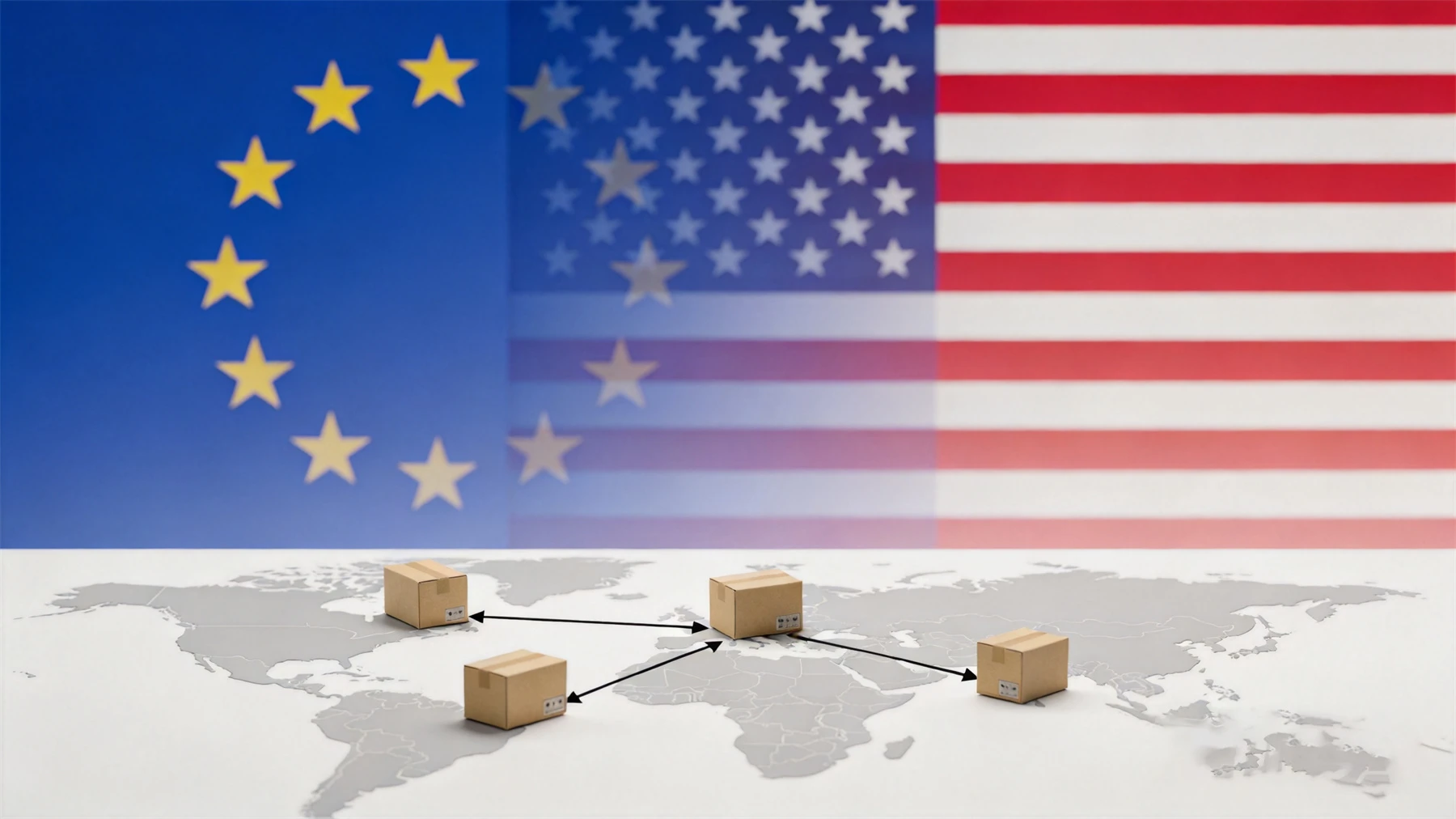
The era of duty-free small parcels for cross-border trade into Europe and the United States has officially ended. Global cross-border business has entered a brand-new compliance-driven stage.
Effective August 29, 2025, the United States officially abolished the long-standing de minimis exemption for shipments under $800, closing the most important low-value duty-free clearance channel for cross-border sellers (Authoritative Source: AP News Official Report).
Source: https://apnews.com/article/de-minimis-exemption-end-date-dutyfree-48862fc5b6a563a077284e364fb14f08
Following the U.S. policy update, the EU launched its new low-value parcel regulation on July 1, 2026. The EU canceled the duty-free threshold for goods under €150 and imposed a temporary flat tariff of €3 per item for all non-EU low-value imports. This temporary policy will last until July 1, 2028, marking a comprehensive upgrade of European cross-border compliance requirements (Official Release from European Commission Taxation and Customs Union, June 8, 2026).
Source: https://taxation-customs.ec.europa.eu/news/guidance-and-legal-text-temporary-flat-fee-low-value-imports-which-will-apply-until-1-july-2028-2026-06-08_en
These policy changes are not temporary adjustments, but a fundamental reshaping of cross-border trade rules. For B2B sellers, distributors and cross-border merchants, the impact is direct and severe: profit margins for small parcel shipments are sharply squeezed, traditional low-price high-volume models are no longer viable, customs and logistics costs keep rising, and many low-margin SKUs have become unprofitable.

As global trade policies cannot be changed by individual businesses, the only way to survive and grow is to adapt, adjust strategies, and upgrade your product portfolio and supply chain actively. In the post de minimis era, sustainable profitability relies on three core strategies: eliminate unprofitable SKUs, optimize purchasing and operation models, and upgrade to high-value compliant products.
In the past, many cross-border sellers relied on low-priced, homogeneous products and duty-free dividends to maintain sales. With additional tariffs and rising logistics costs, low-end products are gradually being eliminated from EU and US markets. In the new trade environment, market competition focuses on product differentiation, stable quality, cost performance and compliance advantages.
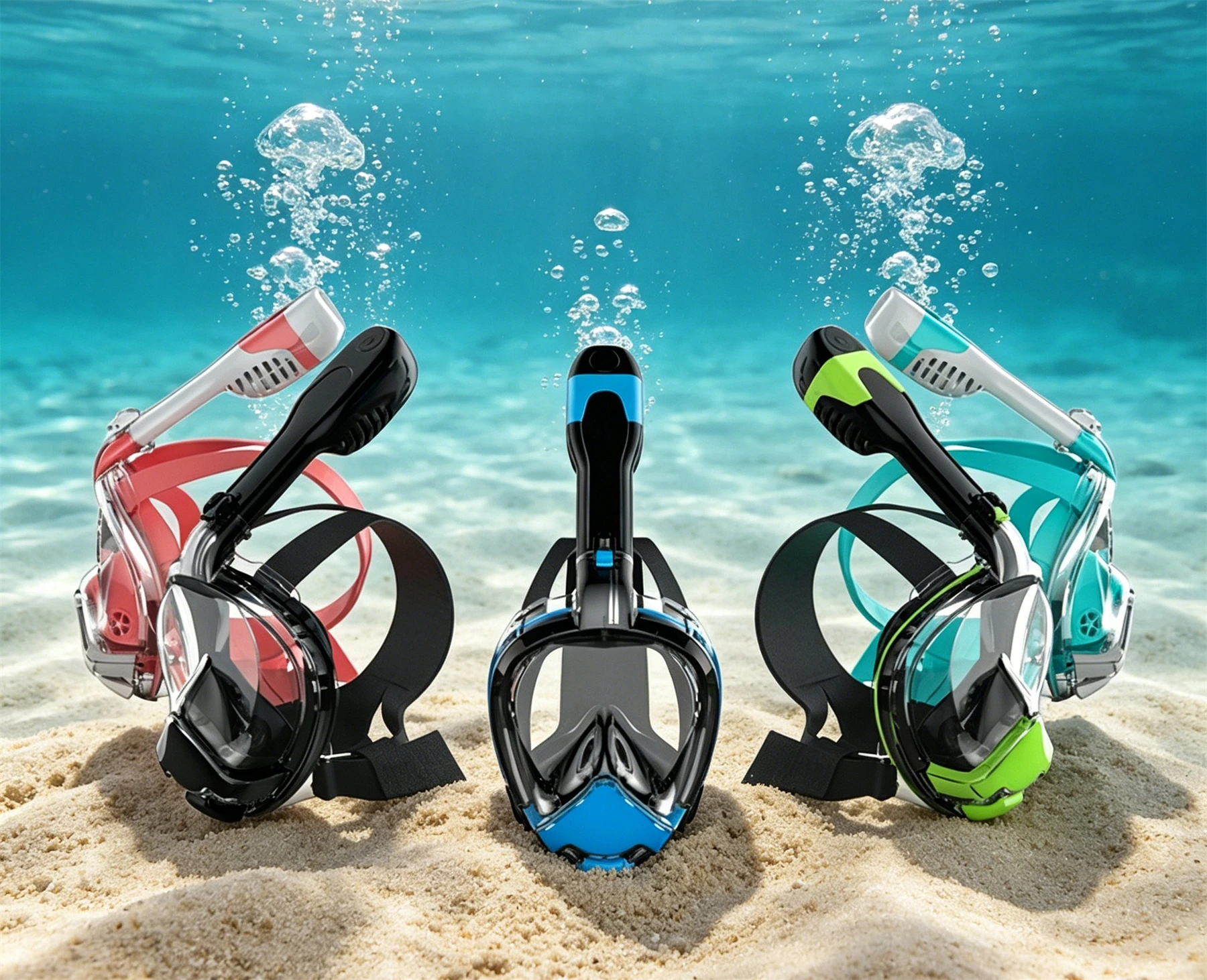
As a professional manufacturer of water sports gear, YOOVANE actively responds to global trade changes and helps B2B partners cope with new market challenges. With 20 years of professional silicone mold manufacturing experience, we master mature technologies for bionic skin texture silicone and high-density joint-sealing silicone. Our advanced craftsmanship greatly improves product fitting performance, skin friendliness and waterproof tightness, effectively reducing after-sales risks for global buyers.
We continuously optimize production processes, lower mold and manufacturing costs, and upgrade product features and aesthetics. All our products feature innovative design, reliable safety, stylish appearance and stable quality, perfectly fitting upgraded EU and US market standards.
Facing the new EU and US tariff rules, YOOVANE supports global clients with strategic product upgrading: phasing out low-profit items, launching upgraded innovative products, strengthening core selling points, and providing flexible OEM/ODM customization and stable bulk supply. We help B2B partners get rid of low-price competition, capture high-quality European and American consumers, and achieve stable profit growth under fully compliant trade conditions.
In times of trade transformation, outdated business models get eliminated, while powerful suppliers and differentiated products always stand out.
If you are struggling with shrinking profit margins, homogeneous product competition, or policy adaptation pressure in the EU and US markets, contact YOOVANE now to get the latest product catalog, compliant supply solutions and exclusive wholesale prices. Let us support your long-term stable growth in the new cross-border era.